
At Delta State University’s Robert E. Smith School of Nursing and Health Sciences, the Accelerated LPN to BSN Program offers a streamlined and supportive pathway for licensed practical nurses to advance their education and transition into the professional role of the registered nurse. Building on prior knowledge and clinical experience, the program prepares students to deliver safe, high-quality, evidence-based care while strengthening critical thinking, leadership, and clinical judgment skills essential for today’s healthcare environment.
Designed for working nurses, this hybrid program provides a structured yet flexible learning experience that supports continued professional responsibilities. Completed in just 18 months over five continuous semesters, the program integrates web-enhanced coursework, monthly on-campus intensives, and clinical experiences arranged in locations closest to the student’s place of residence. Throughout the program, students develop advanced clinical competencies and a strong foundation in evidence-based practice, preparing them for success as professional registered nurses. Graduates are eligible to sit for the National Council Licensure Examination (NCLEX-RN®).
1st
Public University LPN to BSN Program in Mississippi
18
Month Program
15
Credit hours validated through examination
Why Choose the Accelerated LPN to BSN at DSU?
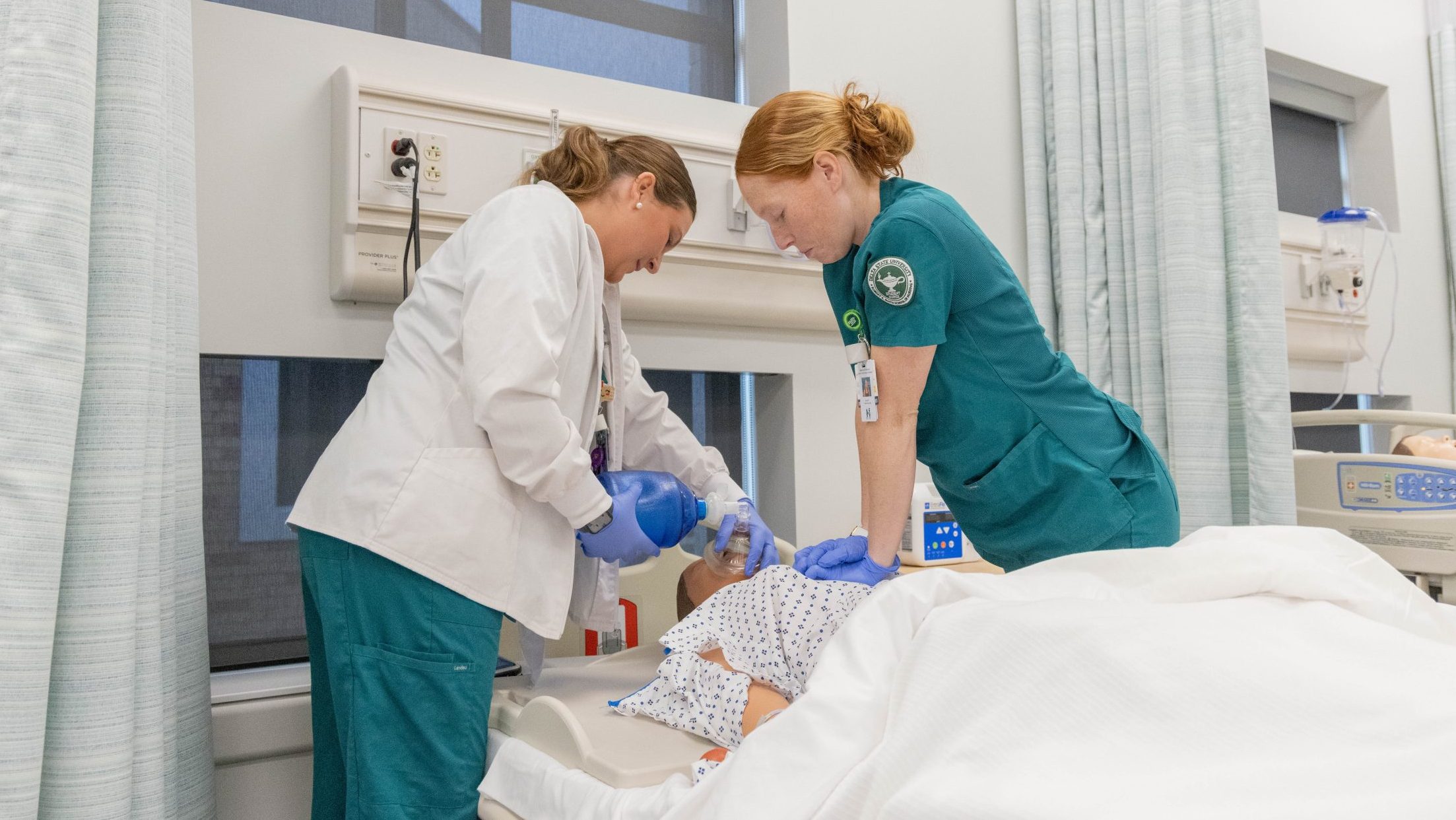
The Accelerated LPN to BSN Program is designed to provide a unique opportunity for licensed practical nurses to advance their education in a supportive, high-quality academic environment. Our program is intentionally designed to meet the needs of working nurses while maintaining the rigor and excellence expected of a bachelor of science in nursing program.
With a focus on real-world application, leadership development and evidence-based practice, graduates are prepared not only to succeed as registered nurses, but to lead and adapt in today’s evolving healthcare landscape. The combination of personalized support, meaningful clinical experiences and a structured yet flexible hybrid format makes this program a distinctive and valuable pathway to advancing your career.
- Earn your BSN in just 18 months through a structured, accelerated pathway
- Hybrid learning format designed for working nurses
- Spring semester enrollment
- Monthly on-campus intensives for simulation and hands-on skill development
- Clinical placements near your home community
- Supportive faculty and personalized advising
- Prepare for the NCLEX-RN® and advanced nursing opportunities
- CCNE accredited
The Bachelor of Science in Nursing at Delta State University is accredited by the Commission on Collegiate Nursing Education, 655 K Street NW, Suite 750, Washington, DC 20001, 202-887-6791.
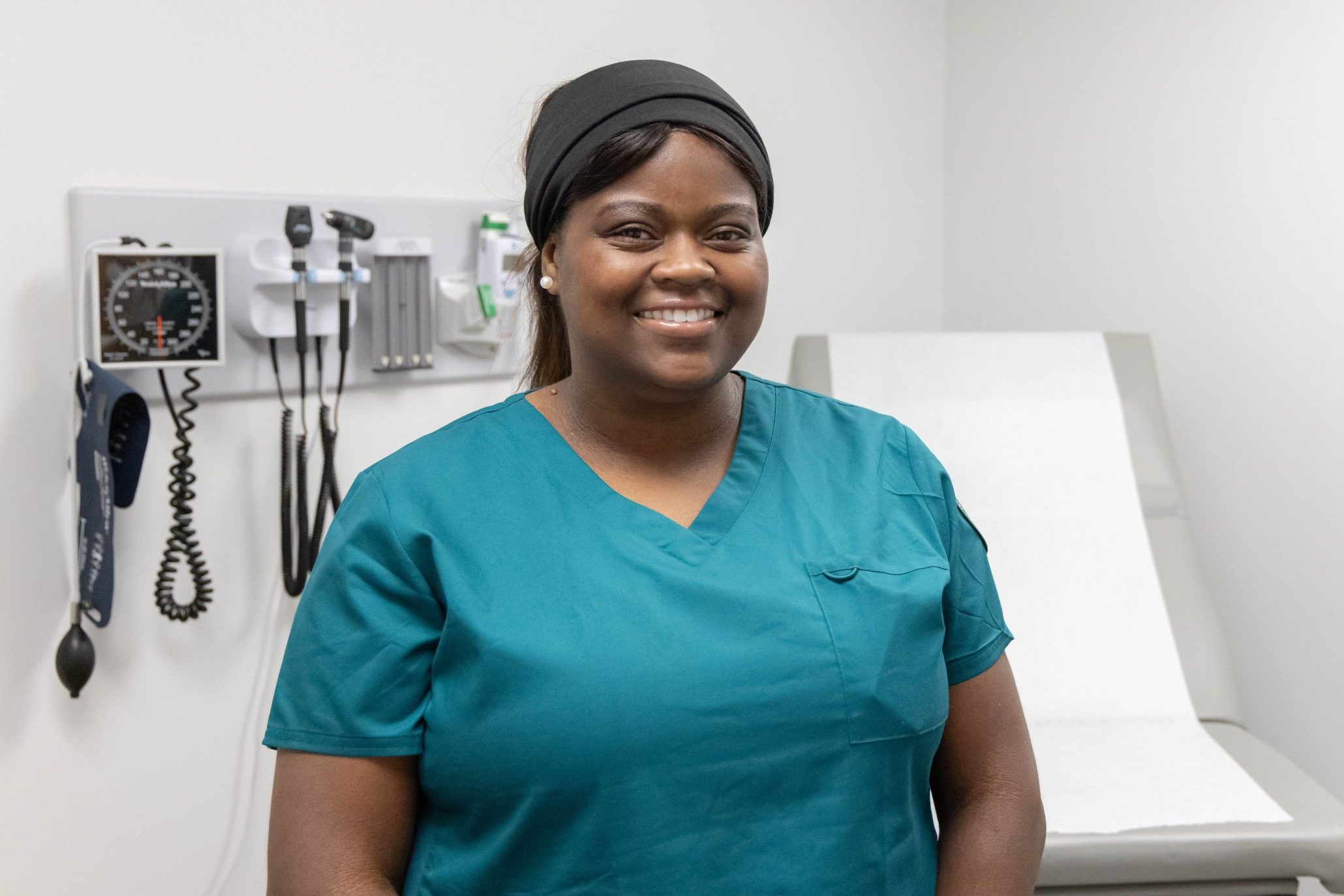
”Being a student at the Robert E. Smith School of Nursing and Health Sciences has challenged me to grow and excel every day. Coming into the program as both an LPN and EMT, I quickly learned there is always a higher level of critical thinking and patient care to achieve. The introduction of the LPN-to-BSN program is truly a gamechanger for nurses who want an accelerated pathway without sacrificing excellence.
Ba'Jah Fleming, BSN majorClass of 2027
What Can I Do With a Bachelor’s Degree in Nursing?
Our goal is to prepare Bachelor of Science in Nursing graduates who are skilled, confident and equipped to navigate the complexities of today’s healthcare environment. Through a strong foundation in clinical judgment, leadership and evidence-based practice, graduates of the Accelerated LPN to BSN Program leave prepared to deliver high-quality care and respond effectively to real-world patient needs across diverse settings. With a Bachelor of Science in Nursing, you can:
- Practice as a Registered Nurse (RN) in hospitals, clinics, and healthcare systems
- Provide community and public health nursing care to improve population health outcomes
- Pursue leadership and charge nurse roles within healthcare teams
- Specialize in clinical areas such as emergency, critical care, pediatrics, or maternal health
- Work in non-traditional settings such as schools, home health, or occupational health
- Advance your education through graduate programs (MSN, DNP, or Nurse Practitioner tracks)
- Serve as a patient advocate and healthcare leader, improving quality and safety in patient care
Nursing Scholarships
At Delta State University’s Robert E. Smith School of Nursing and Health Sciences, we are committed to making your educational goals both achievable and affordable. Students in the Accelerated LPN to BSN Program may be eligible for a variety of financial aid options, including federal and state aid, grants and student loans.
In addition, nursing-specific scholarships are available and are typically awarded based on academic achievement, financial need, leadership potential and commitment to the nursing profession, including service to rural and underserved communities.
Program Goals
Our team of faculty and staff members work to ensure that our students are prepared to meet employment needs of healthcare agencies. The program goals for BSN degree are to:
- Prepare graduates to obtain licensure as a Registered Nurse.
- Prepare graduates to competently and professionally deliver nursing care.
- Prepare graduates to pursue education beyond the baccalaureate level.
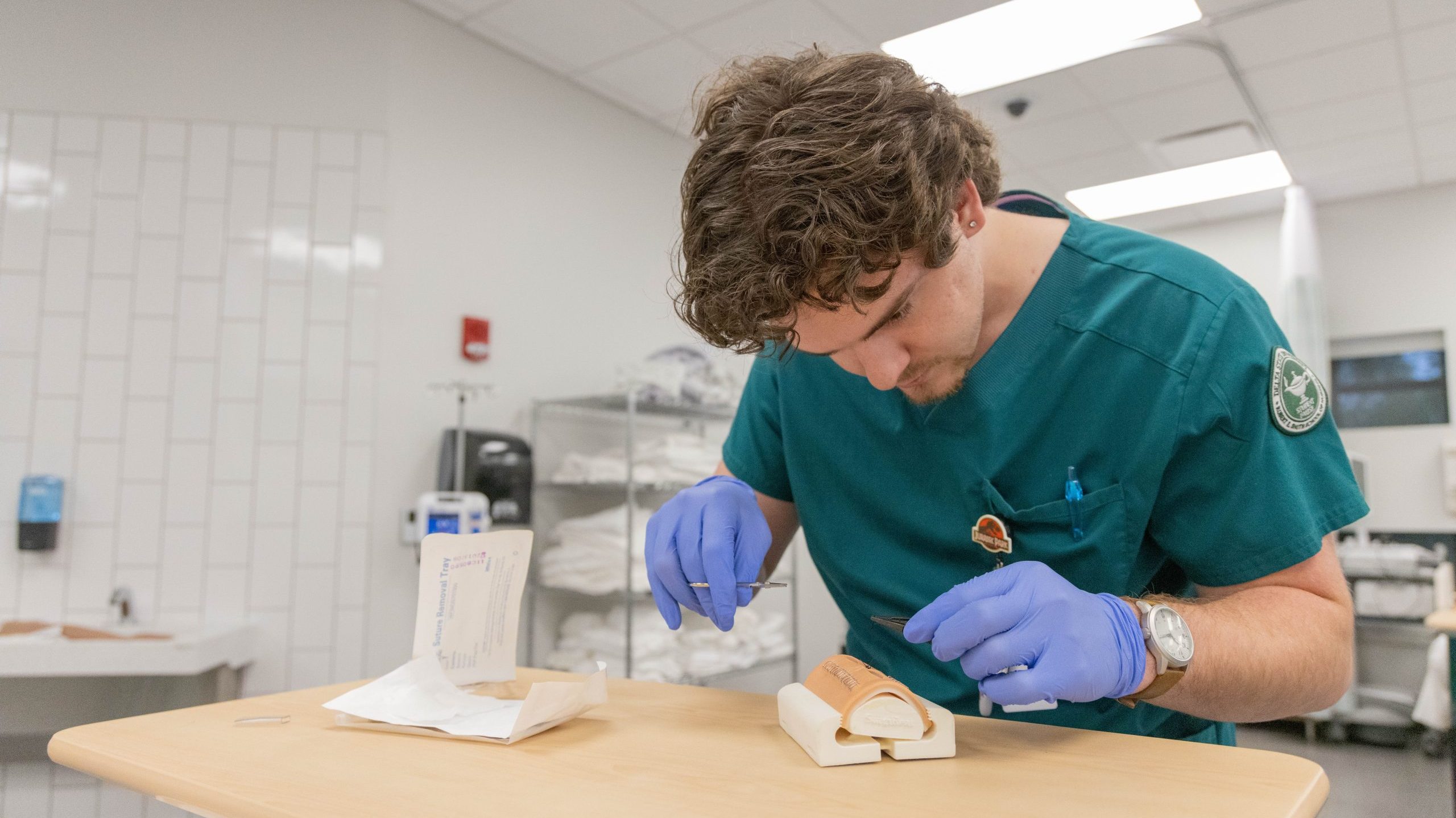
Admission Requirements
- Admission to Delta State University.
- Submit the following information to the Robert E. Smith School of Nursing and Health Sciences by August 15, before the Spring semester in which the first nursing course is to be taken:
A. Robert E. Smith School of Nursing and Health Sciences Accelerated LPN-BSN Program Application
B. Demonstrate an overall GPA of 2.0 or higher
C. Demonstrate a “C” or better in all prerequisites for the nursing major
D. Transcripts from all colleges previously attended. Ask the Registrar’s Office to send copies of all transcripts to the Robert E. Smith School of Nursing and Health Sciences for evaluation.
E. Progress report of academic standing for any required course(s) in progress at date of application
F. Evidence of being currently licensed as a Practical Nurse. Individuals who hold a restricted license may or may not be eligible for admission
G. Evidence of at least an 18 composite ACT score, including the science section
H. All science courses should be completed within the last 7 years, preferably
I. Preferably, no more than 2 attempts at any prerequisite courses.
J. Preferably one year of experience as an LPN with at least 2,000 hours of clinical experience.
K. Completion of a Personal Statement that includes a resume/CV
L. Completion of an Interview with the Admissions Committee in person or via Zoom
Curriculum
Students will take validation tests for NUR 302, 307, 337, 401, 441, 405 and 445.
Accelerated LPN to BSN, Plan of Study
Spring I
| Course Number | Course Title | Credits |
| NUR 312 | Basic Pathophysiology | 3 |
| NUR 318 | Health Assessment | 4 |
| NUR 322 | Nursing Transition for LPN to BSN | 5 |
| TOTAL | 12 | |
Summer I
| Course Number | Course Title | Credits |
| NUR 304 | Pharmacology (Summer I & II) | 3 |
| NUR 314 | Health Policy and Ethical Decision Making (Summer I) | 2 |
| NUR 320 | Nursing Informatics (Summer II) | 2 |
| TOTAL | 7 | |
Fall I
| Course Number | Course Title | Credits |
| NUR 309 | Nursing Research/Evidence Based Practice | 3 |
| NUR 328 | Nursing the Adult Client I | 5 |
| NUR 412 | Community Health Nursing | 4 |
| TOTAL | 12 | |
Spring II
| Course Number | Course Title | Credits |
| NUR 330 | Nursing the Adult Client II | 7 |
| NUR 418 | Leadership & Management | 6 |
| TOTAL | 13 | |
Summer II
| Course Number | Course Title | Credits |
| NUR 406 | Nursing Preceptorship (Capstone Clinical Experience) | 4 |
| NUR 422 | Synthesis Capstone & NCLEX Preparation | 3 |
| TOTAL | 7 | |
Degree Requirements
Maintain an overall quality point average of 2.0 each semester in the School of Nursing and Health Sciences.
Maintain a minimum grade of “C” in all nursing courses.
Earn at least 900 HESI score on at least one of four exams during the last two semesters of the program.
For more information on degree requirements and specifics on courses needed to complete the degree, consult the Undergraduate Academic Catalog. For a semester-by-semester breakdown on how you can complete this degree in 4-years, visit academic maps.
Fees
Tuition at DSU covers the cost of classes.
LPN-BSN Course/Lab Fees (2026-2027)
Course/Lab fees for the LPN to BSN program are $2670.00. See below the specific courses/lab fee breakdown by semester.
Spring I
| Courses | Cost |
| NUR 312: Basic Pathophysiology | $140 |
| NUR 318: Health Assessment | $55 |
| NUR 322: Nursing Transition for LPN to BSN | $405 |
| TOTAL | $600 |
Summer I
| Courses | Cost |
| NUR 304: Pharmacology (Summer I & II) | $160 |
| NUR 320: Nursing Informatics (Summer II) | $70 |
| TOTAL | $230 |
Fall I
| Courses | Cost |
| NUR 309: Nursing Research / Evidence Based Practice | $60 |
| NUR 328: Nursing the Adult Client I | $390 |
| NUR 412: Community Health Nursing | $85 |
| TOTAL | $535 |
Spring II
| Courses | Cost |
| NUR 330: Nursing the Adult Client II | $320 |
| NUR 418: Leadership & Management | $335 |
| TOTAL | $655 |
Summer II
| Courses | Cost |
| NUR 406: Nursing Preceptorship (Capstone Clinical Experience) | $40 |
| NUR 422: Synthesis Capstone & NCLEX Preparation | $610 |
| TOTAL | $650 |